Policy Gap Between Solid Waste Management Rules And Carbon Credits
Avadhi Jain
13 Feb 2026 10:00 AM IST
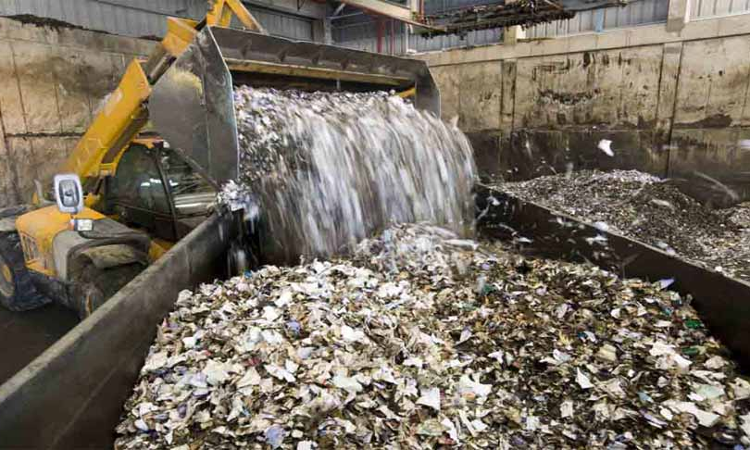
The MoEFCC notified the Solid Waste Management Rules, 2026 (“SWM Rules”) on January 27, 2026, effective April 1, 2026. These rules supersede the 2016 framework and create a comprehensive framework for waste management across urban and rural areas. The rules create specific waste management obligations:
Four-Stream Segregation (Rule 5): Mandatory segregation into wet waste, dry waste, sanitary waste, and special care waste enables proper channelization to processing facilities. This segregation ensures that biodegradable waste reaches composting or bio-methanation facilities rather than landfills, thereby avoiding methane emissions.
Extended Bulk Waste Generator Responsibility (Rule 6): Entities with floor area exceeding 20,000 square meters, water consumption above 40,000 litres per day, or waste generation over 100 kg per day must process wet waste on-site or obtain Extended Bulk Waste Generator Responsibility (“EBWGR”) certificates.
Refuse Derived Fuel (“RDF”) Mandates (Rule 11): Industrial units within specified distances from RDF plants must replace solid fuel with RDF. The substitution rate increases from 6% (upon rule implementation) to 10% (after three years) to 15% (after six years).
Landfill Restrictions (Rule 14): Only non-recyclable, non-energy recoverable, non-reusable, non-biodegradable waste may be landfilled. Higher tipping fees apply to unsegregated waste.
Alongside these mandatory requirements, the SWM Rules introduce an economic incentive mechanism. Rule 8 explicitly encourages local bodies to generate carbon credits through waste management activities. This provision appears in the context of duties assigned to local bodies, which include collection, segregation, and transportation responsibilities. The encouragement seems straightforward, municipalities struggling with infrastructure costs could offset expenses through carbon markets while managing waste more effectively.
But this encouragement runs headlong into a fundamental principle of carbon credit regulation.
The Regulatory Surplus Contradiction
The Carbon Credit Trading Scheme(CCTS), established under the Energy Conservation Act, 2022, designates waste handling and disposal as an eligible sector for the voluntary Offset Mechanism. The detailed procedure published by the Bureau of Energy Efficiency confirms this eligibility and establishes the institutional framework. Under the CCTS framework, non-obligated entities including local bodies, municipal corporations, and private waste management firms can earn CCCs where each certificate represents one ton of CO2 equivalent (tCO2e) reduced, removed, or avoided.
However, the CCTS operates on what is known as the regulatory surplus doctrine. Projects mandated by law cannot earn carbon credits. And here lies the problem. Carbon credits should reward additional environmental action, not mere compliance with legal obligations. Issuing credits for mandated activities would create windfall profits without genuine climate benefit.
A tension exists between SWM mandates and carbon credit eligibility criteria. If the SWM Rules 2026 mandate segregation, composting, bio-methanation, RDF production, and landfill diversion, these activities constitute legal compliance, not additional environmental action beyond regulatory requirements.
The CCTS regulatory surplus principle ensures carbon credits reward actions that would not have occurred under business-as-usual or legal compliance scenarios. Therefore, issuing credits for such mandated activities would undermine environmental integrity.
The contradiction:
- SWM Rule 8 encourages carbon credit generation
- CCTS bars mandated activities from credit eligibility
- Most waste management practices described in SWM Rules are mandatory
The policy gap raises immediate questions. Did the MoEFCC intend for Rule 8 to create a special exemption from additionality requirements? Should entities pursue Green Credits instead of carbon credits for SWM compliance activities? The Rules offer no clarification, creating legal uncertainty for municipalities and waste processors attempting to access carbon market financing.
Where Carbon Credits Remain Possible
Some limited pathways for credit generation may still exist despite this regulatory tension.
To understand these pathways, it's important to know what “additionality” means in carbon markets. Simply put: carbon credits should only reward actions that wouldn't have happened anyway. If a company was going to reduce emissions regardless, whether to comply with the law or because it made financial sense, then those reductions aren't "additional," and shouldn't earn carbon credits. Think of it like rewarding someone for doing homework they were already required to do. There's no extra environmental benefit, so there's no credit.
Given this principle, projects that exceed minimum requirements can still demonstrate additionality. For instance, the rules require basic composting, but a municipality that installs an advanced bio-methanation system that also generates electricity or produces compressed natural gas is going beyond compliance- the extra technology and environmental benefit can qualify for credits. Similarly, if industrial units are required to use 6% RDF but voluntarily use 20%, that additional 14% demonstrates they're doing more than legally necessary.
Barrier analysis offers another route, and this is where things get interesting. Sometimes an activity might be legally mandated, but municipalities simply can't afford to do it. The key question then becomes, would this project happen without carbon credit revenue? For example, a city might be legally required to process its wet waste, but building a bio-methanation plant costs ₹10 crore and the city doesn't have the budget. Without being able to sell carbon credits from the methane reduction, the project is financially impossible. In this case, even though waste processing is mandatory, the carbon revenue “overcomes a barrier” that would have prevented the project from happening. The distinction is subtle but critical - the activity may be mandated by law, but the carbon financing enables implementation that would not otherwise occur. Here the carbon credits aren't rewarding compliance but making this compliance financially possible.
Voluntary carbon markets may apply different standards than the CCTS. These are international platforms where carbon credits are traded outside government-regulated compliance systems. International registries like Verra, a leading global carbon credit certification body, and Gold Standard, another major international certification organization focused on sustainable development projects, often allow barrier-based additionality demonstrations where projects document obstacles that carbon revenue helps overcome. A municipality facing prohibitive upfront costs for bio-methanation facilities might qualify under Verra's methodologies even if the activity is legally mandated in India. However, whether this approach satisfies domestic policy objectives and Rule 8's intent remains uncertain.
Technology innovation presents another pathway. The SWM Rules tell you what to achieve, reduce landfill waste, process organic waste, but don't specify exactly how. Projects using cutting-edge technologies not mentioned in the rules, like advanced gasification, plasma arc processing, or innovative material recovery systems, demonstrate additionality through innovation beyond conventional compliance methods.
Voluntary actions by non-obligated entities qualify most clearly. Private waste management companies or NGOs that aren't legally required to process waste but choose to do so anyway face no regulatory surplus barrier. Their actions are genuinely voluntary and additional, making them the most straightforward candidates for carbon credit generation.
Unresolved Implementation Questions
Practical challenges complicate implementation further. When local bodies process waste on behalf of bulk generators and issue EBWGR certificates, who owns the carbon credits? The processor, the generator who paid, or both? The CCTS procedures and voluntary carbon market standards require the project proponent/developer to have ownership or authorization to claim credits. Contracts between bulk generators and local bodies must address carbon credit ownership, revenue sharing, and verification responsibilities. No regulatory guidance exists on this allocation.
Small-scale projects face verification costs that may exceed carbon credit revenue. Verification body site visits, data audits, and certification expenses create prohibitive barriers for individual composting operations or single bulk generator bio-methanation systems. Voluntary carbon markets address this through aggregation mechanisms where multiple small generators bundle activities into single Project Design Documents and share verification costs. Verra's grouped project approach and Gold Standard's microscale provisions allow such aggregation. However, the CCTS procedures does not currently address aggregation protocols for waste projects.
The SWM Rules establish a centralized portal tracking waste quantities and processing methods. This data could support carbon credit verification if integrated with carbon market systems, and protocols will have to be developed for this integration.
Further, CCTS prohibits double counting across mechanisms. A waste project cannot simultaneously claim carbon credits under CCTS and receive Renewable Energy Certificates for biogas-generated electricity. But carbon credits and Green Credits can be earned concurrently for the same activity.
The intersection of waste regulation and carbon markets is not unique to India. The European Union's Emissions Trading System (“EU ETS”) faces similar questions about the eligibility of activities mandated under the Waste Framework Directive. The distinction drawn there turns on whether the project demonstrates practice additionality, where actual compliance rates remain low despite legal mandates, or exceeds minimum technical requirements. India's enforcement landscape, where municipal solid waste management compliance remains uneven across jurisdictions, might support similar arguments. However, the legal foundation for such claims under CCTS remains untested.
Addressing the Contradiction
The contradiction between SWM Rule 8's encouragement and CCTS eligibility restrictions undermines the economic incentive structure that could make waste compliance financially sustainable. Without guidance from the Bureau of Energy Efficiency and joint clarification from the Ministry of Environment and the Ministry of Power, municipalities face commercial uncertainty about which waste management activities can generate revenue through carbon markets.
The resolution requires explicit regulatory intervention. The Bureau of Energy Efficiency could issue clarification on whether the SWM Rules create a special category exempt from regulatory surplus principles, similar to Green Credits. The Ministry of Environment could specify which waste management practices exceed minimum SWM compliance and therefore qualify for credits. Joint guidance could establish protocols for EBWGR-carbon credit ownership allocation and integrate the SWM compliance portal with carbon market verification systems. Alternatively, policymakers could develop alternative financing mechanisms like green bonds specifically for waste infrastructure, viability gap funding for municipal waste processing facilities, or direct budgetary allocations tied to waste processing performance metrics. The choice between carbon market participation and alternative financing should be explicit, not left to interpretation. India's climate commitments under the Paris Agreement include waste sector emission reductions, and carbon markets can mobilize private capital toward these goals, but only if regulatory frameworks align.
The Author is a lawyer specialised in Climate Law And Carbon Markets. Views are personal